
Updated: June 18, 2024
Getting your marketing emails opened and acted upon feels like a constant battle, doesn't it? Many businesses still send out generic newsletters hoping something sticks. But inboxes are crowded, and attention spans are short. The good news is, you don't have to spend hours manually segmenting and writing one off messages for every customer. Artificial intelligence can transform your email marketing efforts, helping you send messages that truly resonate.
This isn't about replacing your voice; it's about amplifying it. AI tools help you understand your audience better, predict what they'll respond to, and then craft emails that feel tailor made. We are talking about moving beyond basic mail merges to genuinely personalised content, subject lines, and send times. It makes your brand feel more human, even as you are using smart tech.
Boosting Engagement with AI Personalised Email Marketing
The core of effective email marketing is relevance. If a message isn't relevant, it is noise. AI excels at finding patterns in large datasets, which is exactly what you need to make emails relevant. It analyses past purchase behaviour, website interactions, demographic data, and even engagement with previous emails to build incredibly detailed customer profiles. According to a 2023 report by Statista, the global AI in marketing market size is projected to reach approximately 32.3 billion U.S. dollars by 2025, highlighting its growing adoption and impact.
Think about it: instead of sending a promotion for winter coats to someone living in a tropical climate, AI ensures they get an offer for swimwear. Instead of suggesting a product a customer just bought, it recommends complementary items. This level of insight makes your emails feel less like marketing and more like helpful suggestions.
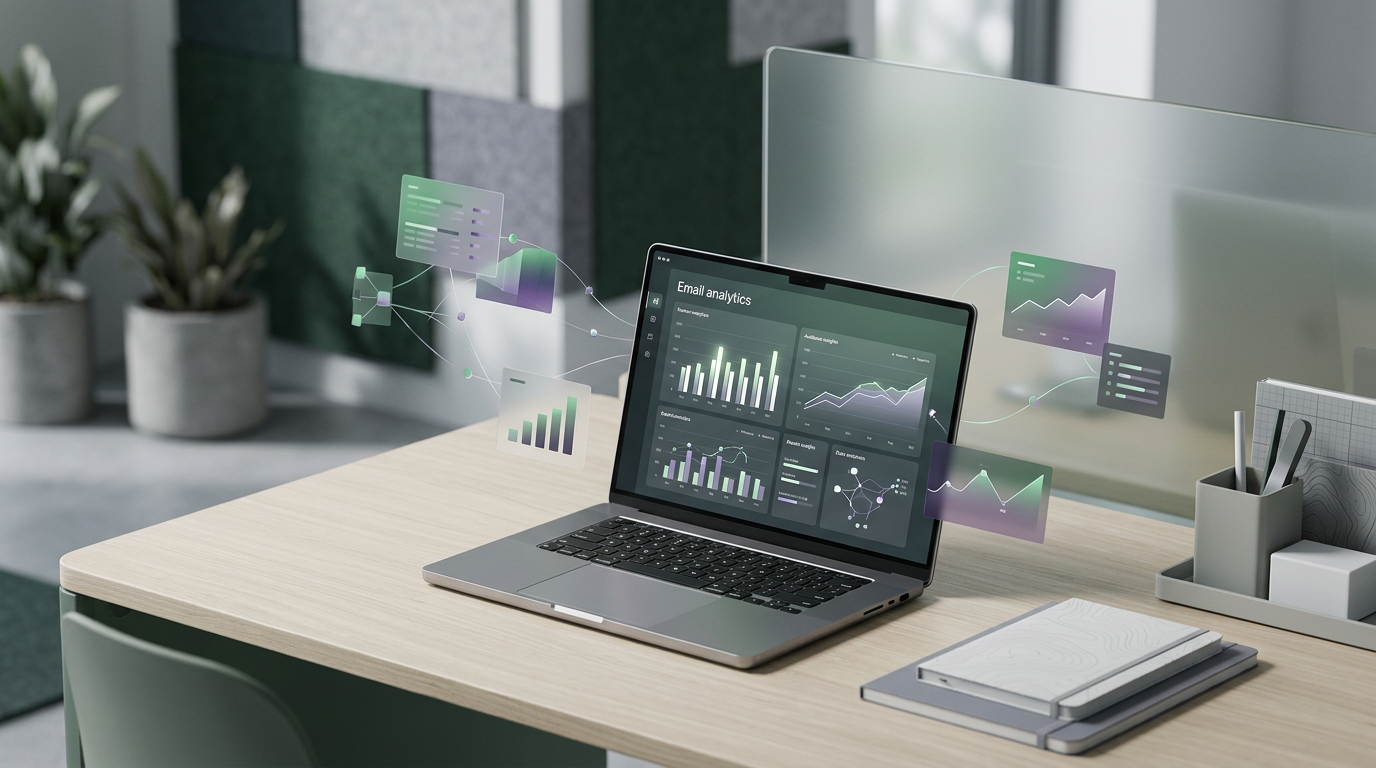
Here is how you can start incorporating AI into your personalised email marketing strategy:
- Audience Segmentation on Steroids: Forget manual segmentation based on a few tags. AI platforms like HubSpot or even advanced features in Mailchimp can dynamically segment your audience into hyper niche groups based on predictive analytics. This means you can target users who are likely to churn, or those most likely to purchase a specific product next.
- Dynamic Content Generation: Tools like Jasper or Copy.ai can help you draft entire email bodies, subject lines, and calls to action that are tailored to specific segments. You can feed them customer data points and they will generate variations that speak directly to those individual needs and preferences. A recent study by McKinsey & Company indicates that personalization can reduce acquisition costs by as much as 50 percent, lift revenues by 5 to 15 percent, and increase the efficiency of marketing spend by 10 to 30 percent.
"The future of email isn't more emails, it's better emails. And better emails are personalised emails."
- Predictive Send Times: AI can analyse when individual subscribers are most likely to open and engage with emails. Sending at the optimal time for each user significantly boosts open rates and click through rates. Many email service providers (ESPs) now offer this feature built in.
- A/B Testing Optimisation: Instead of running manual A/B tests for every element, AI can automate this process, quickly identifying the most effective subject lines, copy, images, and CTAs for different segments. It learns and optimises in real time, saving you countless hours.
Practical Steps for AI Powered Email Personalisation
Ready to put this into action? Here is a step by step guide to integrating AI for more personalised email marketing:
- Audit Your Data: Before anything else, understand what customer data you have. Is it clean? Is it accessible? The better your data, the smarter your AI will be. Focus on purchase history, website visits, email engagement, and demographics. For guidance on data privacy and security, consult resources from the Federal Trade Commission.
- Choose Your Tools: Evaluate your current ESP. Does it have native AI features for segmentation or optimisation? If not, consider integrating with AI writing assistants (like Google Gemini or Anthropic Claude for drafting ideas) or dedicated marketing automation platforms.
- Define Personalisation Goals: What do you want to achieve? Higher open rates? More conversions? Reduced unsubscribe rates? Clear goals will guide your AI implementation.
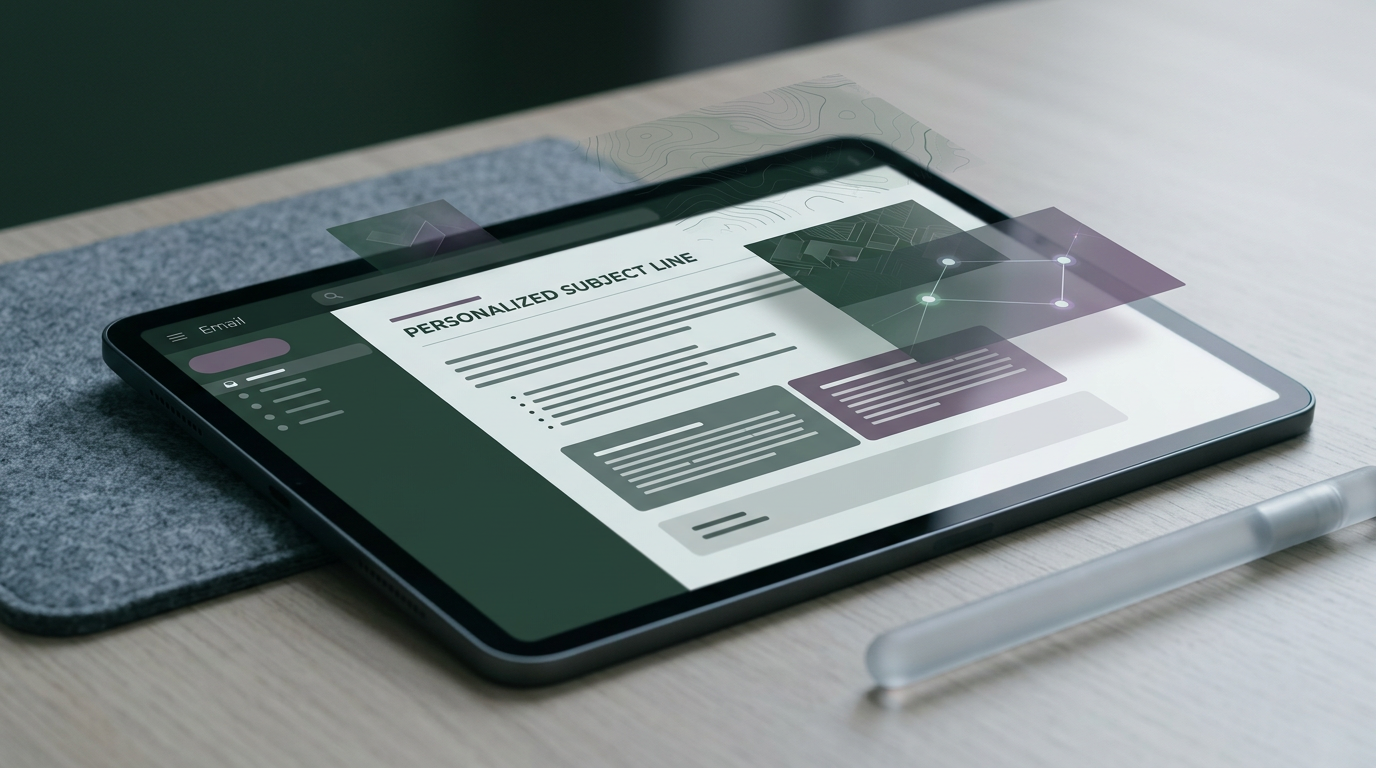
- Experiment with Subject Lines: Use AI to generate 5-10 varied subject lines for a campaign. Test them. Analyse which ones perform best for different segments. A simple prompt in ChatGPT might be:
Generate 10 engaging and personalised subject lines for a [product category] promotion targeting [customer segment] who have [recent activity]. - Craft Dynamic Content Blocks: For example, if you sell software, an AI could suggest different features to highlight based on a user's plan or usage patterns. Use prompt patterns to guide the AI:
Write a short email paragraph promoting [feature X] to users who are currently on [basic plan] and have [not used feature X yet]. Focus on the benefit of [specific outcome]. - Monitor and Refine: AI isn't set and forget. Regularly review your email performance. What are the open rates, click through rates, and conversion rates for your AI driven campaigns? Use these insights to fine tune your strategies and prompts. The National Institute of Standards and Technology (NIST) provides frameworks for evaluating AI system performance and reliability.
Using AI to personalise your email marketing campaigns isn't about automation for its own sake. It is about building stronger relationships with your customers by delivering value that genuinely speaks to their needs. Start small, experiment, and watch your engagement grow.
Frequently asked questions
What is the difference between email personalisation and segmentation? Segmentation divides your audience into groups based on shared characteristics. Personalisation goes a step further, tailoring content, offers, and timing to individual recipients within those segments, often using AI for deeper insights.
Can small businesses use AI for email marketing? Absolutely. Many modern email service providers and AI writing tools offer features accessible to small businesses, often on tiered plans. You do not need a massive budget to get started with basic AI driven personalisation.
How does AI help with email deliverability? By improving engagement rates (opens, clicks), AI helps signal to email providers that your content is valuable, which can positively impact your sender reputation and thus improve the likelihood of your emails reaching the inbox rather than spam folders. This can be further understood by reviewing guidelines from the U.S. Digital Service on government email deliverability best practices, which emphasize sender reputation.